The Backyard Hedgerow: A Brief History and Simple Steps to Plant One
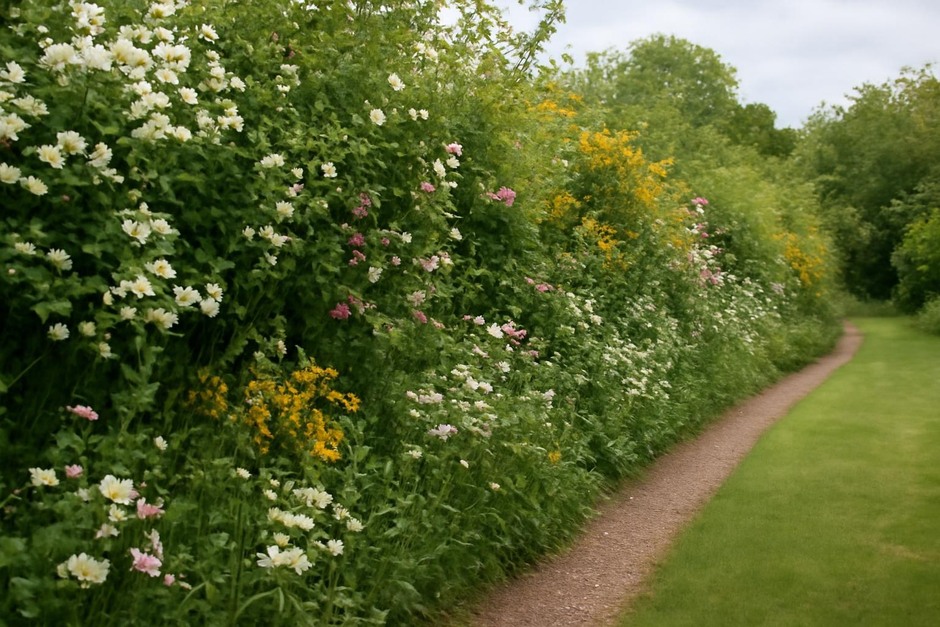
Opening observation: Walk along an old country lane and you quickly notice how the living lines of shrubs, trees, and grasses guide the eye, shelter wildlife, and mark property. Those same qualities can be scaled to a suburban or urban yard: a small hedgerow will do much more than screen a fence—it brings structure, seasonal rhythm, and habitat to a garden.
A living line through history
Hedgerows are one of the most enduring human-made features in temperate landscapes. In many regions they began as simple boundaries—rows of shrubs and trees planted to mark property or contain livestock. Over centuries these living fences became complex habitats, with layered plantings, coppiced stems, and perennial groundcovers. The long relationship between people and hedgerows produced a patchwork of food sources and shelter that supported pollinators, birds, and small mammals through the seasons.
Why a hedgerow matters today
At a time when green space is fragmented, even a short strip of mixed planting can act as a miniature wildlife corridor. Benefits include:
- Biodiversity: A mix of shrubs, small trees, and herbaceous plants supports different insects and birds across the year.
- Microclimate: Plants reduce wind, moderate temperatures, and can create a moister, sheltered pocket for tender species.
- Seasonal interest: Early blossom, summer berries, autumn leaves, and winter architecture give your garden a changing story.
- Low-tech privacy and screening: A living boundary softens fences and blends with the landscape.
Designing a small-scale hedgerow
Designing for a backyard means translating traditional hedgerow layers into a compact plan. Aim for three layers where space allows: a low groundcover or grass edge, a middle layer of shrubs, and a few small trees or large shrubs for height. Steps to begin:
- Assess the site: Note sun exposure, soil type, moisture, and how much width you can dedicate. Hedgerows can be as narrow as a metre, but wider beds give more planting options.
- Choose mostly native species: Native shrubs and trees often offer the best nectar, pollen, and fruit for local wildlife. Examples vary by region; pick species that bloom at different times and produce fruit or seeds for birds.
- Plan for seasonality: Include early-flowering shrubs for pollinators, summer nectar sources, and berry-producing plants for autumn and winter food.
- Layer and stagger: Plant in informal groups rather than a formal straight line—this creates refuges and varied structure.
Simple plant ideas for a modest hedgerow might include (depending on region): a mix of flowering shrubs such as viburnum, hawthorn, or native cotoneaster; small trees like crabapple or serviceberry; and lowers like native grasses or wildflower plugs along the edge.
Seasonal care and long-term stewardship
Hedgerows are living systems that reward light, thoughtful care rather than constant intervention. A seasonal routine helps them establish and thrive:
- First year: Mulch newly planted areas to retain moisture and suppress weeds. Water regularly through dry spells until roots are established.
- Spring: Monitor for competing weeds; consider a light top-up of mulch. Avoid heavy pruning at the height of growth spurts to let plants set flowers.
- Summer: Enjoy blooms and keep an eye on water needs in hot periods. If you include a shrub that fruits, resist removing fallen fruit immediately—wildlife benefits from late-season food.
- Autumn and winter: Many hedgerow species show their best in leaf colour and berries; leave standing stems and seedheads for birds and insects. Late winter is the best time for formative pruning of shrubs if needed—remove dead wood, and shape sparingly to encourage dense growth.
Consider periodic coppicing or selective thinning every few years to maintain structure and renew vigor, particularly if you want a denser screen. If space is limited, embrace a mixed approach: mow a grass strip beside the hedgerow to provide edge habitat but reduce competition.
Conclusion: A hedgerow is more than a row of plants. It is a condensed history of human land-use and a practical, seasonally changing feature for today’s gardens. Even a short, well-chosen strip of mixed native shrubs and small trees can reconnect a backyard to the ecological rhythms of its neighbourhood—offering shelter, seasonal food, and quiet beauty across the year. Start small, observe each season’s gifts, and let the living boundary grow into its role.