Flooring Choices for a Seasonal Home: Comparing Wood, Cork, Tile, and Vinyl
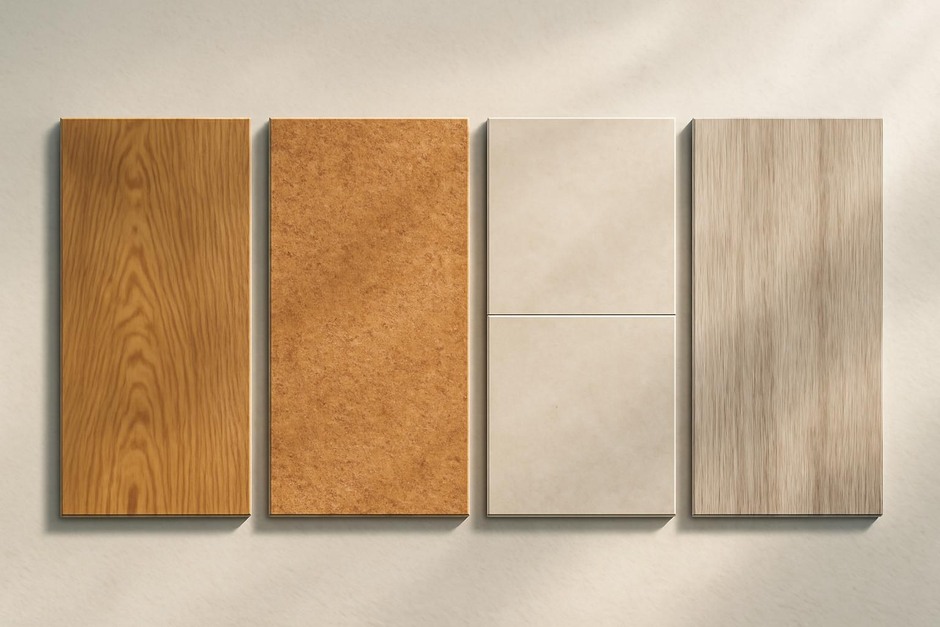
When the seasons turn, the feeling underfoot matters: warmth in autumn, coolness in summer, resilience against wet spring boots. Choosing flooring for a home that adapts with the year is as much about material properties as it is about how the floor is installed and maintained. Below are four thematic comparisons—comfort, durability, installation and cost, and environmental considerations—to help weigh the trade-offs between wood, cork, tile, and vinyl.
Warmth and Comfort
How a floor feels and how it moderates temperature and sound changes with the material and construction. Consider both tactile comfort and seasonal performance.
Wood
- Advantages: Natural warmth and pleasant underfoot feel; can be refinished to restore surface. Solid and engineered options offer slightly different thermal behavior.
- Trade-offs: Can feel cold in winter without underfloor heating; susceptible to surface dents and scratches that can affect comfort over time.
Cork
- Advantages: Soft, springy surface that absorbs sound and provides natural insulation; comfortable barefoot in all seasons.
- Trade-offs: Softer surface can compress over time in high-traffic areas; requires sealing to resist moisture and stains.
Tile (ceramic or porcelain)
- Advantages: Naturally cool in summer and highly durable; good for entryways, kitchens, and bathrooms.
- Trade-offs: Hard and cold underfoot in winter unless paired with radiant heating or rugs; can be loud without proper subfloor or underlayment.
Vinyl
- Advantages: Softer and warmer-feeling than tile; available in cushioned varieties that absorb sound and impact.
- Trade-offs: Thin, low-cost vinyl may lack the insulating quality of thicker options; some products can feel synthetic to the touch.
Durability and Maintenance
Durability depends on both the material and the finish or installation method. Think about wear patterns, moisture exposure, and how much maintenance you are willing to do.
Wood
- Advantages: Durable when properly finished; scratches can often be sanded and refinished (especially solid hardwood).
- Trade-offs: Vulnerable to standing water and large humidity swings; engineered wood offers better dimensional stability in variable climates.
Cork
- Advantages: Naturally resistant to mold and mildew when sealed; hides minor damage and resists fading.
- Trade-offs: Surface wear in high-traffic areas; periodic resealing prolongs life and resists stains.
Tile
- Advantages: Extremely durable and water-resistant; low maintenance with occasional grout cleaning.
- Trade-offs: Grout can stain and require sealing; tiles may crack if subfloor movement is not addressed.
Vinyl
- Advantages: Water-resistant and easy to clean; modern luxury vinyl is quite durable against scratches and dents.
- Trade-offs: Subfloor imperfections can telegraph through thin products; damage often requires section replacement rather than refinishing.
Installation and Cost
Installation method affects performance and total cost. Some materials are DIY-friendly; others require professional subfloor preparation or specialized skills.
Wood
- Methods: Nail-down, glue-down, or floating installations; engineered wood is often easier for floating installs.
- Cost: Mid to high, depending on species and finish; installation complexity raises labor costs.
Cork
- Methods: Floating planks or glue-down tiles; requires a smooth, dry subfloor and good adhesives for wet areas.
- Cost: Moderate, with some premium cork products matching hardwood prices; installation is generally straightforward for a competent DIYer.
Tile
- Methods: Mortar and grout over a properly prepared subfloor; may require backer board or leveling compounds.
- Cost: Wide range—from economical ceramic to costly large-format porcelain; labor is often the largest expense due to detailed work.
Vinyl
- Methods: Click-lock floating planks, glue-down sheets, or loose-lay; many products suit DIY installation on a flat subfloor.
- Cost: Often the most budget-friendly option for material and labor, though premium luxury vinyl can approach mid-range hardwood prices.
Environmental Impact and Sourcing
Material origins, manufacturing processes, and longevity shape a floor’s environmental footprint. Consider lifecycle impacts rather than single metrics.
Wood
- Notes: Sustainably sourced FSC-certified wood and reclaimed lumber reduce impact; long lifespan and reparability favor lower lifetime impact when sourced responsibly.
Cork
- Notes: Renewable and harvested without killing trees; good longevity when maintained. Transportation distance matters for carbon footprint.
Tile
- Notes: Made from abundant natural materials but energy-intensive to fire; extremely long life can offset initial manufacturing impacts.
Vinyl
- Notes: Made from synthetic materials with associated petrochemical impacts; recycling programs exist but are limited, so durability and avoiding early replacement reduce overall impact.
Conclusion
There is no single best floor for a seasonal home—each material brings a mix of comfort, durability, installation demands, cost, and environmental considerations. If warmth and a natural feel matter most, responsibly sourced wood or cork will perform well; if water resistance and low maintenance are priorities, tile or modern vinyl may be a better fit. Weigh the trade-offs against how you live with the house across the year: choose the material and installation method that aligns with your practical needs and the rhythms of your seasons, and plan for the maintenance that will let your floor age gracefully.