A Simple Weekly Routine to Keep Houseplants Healthy All Year
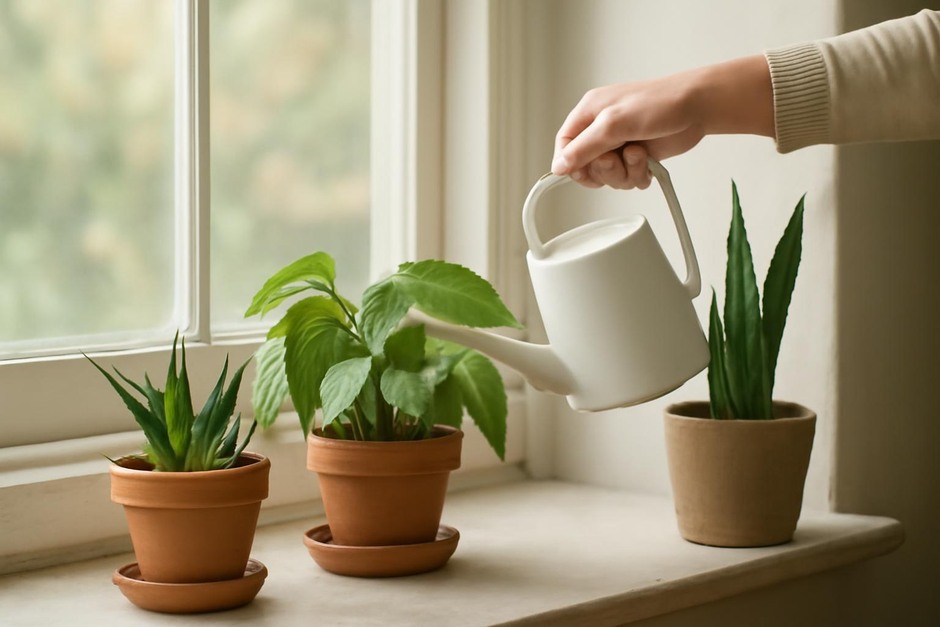
Keeping houseplants healthy doesn’t require hours of work or horticultural degrees—just a short, consistent routine you can repeat each week. The method below is aimed at beginners and focuses on simple observations and small actions that add up. After the step-by-step routine you’ll find useful variations for different plant types and a troubleshooting section for common issues.
Weekly Step-by-Step Method (10–20 minutes)
- Visual scan (1–2 minutes): Walk past each plant and look for obvious signs: drooping leaves, yellowing, spots, or a sudden loss of leaves. Early detection makes small fixes easy.
- Light check (1 minute): Note whether each plant is getting its usual light. Is morning sun still reaching it? Has a tree outside cast more shade? If a plant has moved or a curtain is drawn differently, jot it down for the next watering.
- Soil finger test (1–2 minutes): Insert your finger about an inch (2–3 cm) into the topsoil. If it feels dry at that depth, the plant probably needs water; if it’s cool and damp, wait. For very small pots try a wooden skewer instead.
- Watering (3–8 minutes): Water only the pots that passed the dry test. Water until it runs out of the drainage hole, then let excess drain away. For saucer-based watering, empty the saucer after 30 minutes so roots don’t sit in water.
- Leaf care (2–3 minutes): Wipe dust from leaves with a damp cloth (or give large plants a quick shower monthly). Clean leaves breathe and photosynthesize better, which is especially helpful in low light months.
- Rotate and angle (1 minute): Rotate pots a quarter turn so all sides receive even light over the month. Straighten stems to keep growth balanced.
- Quick grooming (1–2 minutes): Snip obvious dead or brown tips and spent flowers. This tidy-up redirects energy to new growth.
- Record and plan (1 minute): Keep a small notebook or phone note listing which plants were watered, any issues observed, and when you last fertilized or repotted. Over time you’ll see patterns and make seasonal adjustments confidently.
Seasonal Adjustments
- Spring–Summer: Plants often need more frequent watering and a light feed every 4–6 weeks. Increase ventilation but avoid cold drafts.
- Autumn: Gradually reduce watering and stop regular feeding as growth slows. Watch for changes in light as days shorten.
- Winter: Maintain minimal watering based on the finger test and avoid overwatering. Group plants for shared humidity where possible and keep them away from heating vents.
Variations for Different Plant Types
Succulents and cacti
Allow soil to dry deeply between waterings. Replace the finger test with a moisture meter or the weight test: pick up the pot—dry soil feels much lighter than moist soil. Water less in autumn and winter.
Herbs and edible greens
These like consistent moisture and bright light. Check them twice a week, and harvest small amounts regularly; gentle trimming encourages bushier growth.
Low-light foliage plants
Water sparingly and rely on the finger test. Clean leaves more often to maximize available light. Move to a brighter spot for active growth in spring if needed.
Troubleshooting Common Problems
- Yellow lower leaves: Often normal aging or mild overwatering. If many leaves yellow and soil is wet, reduce watering and check drainage.
- Brown crispy tips: Usually underwatering or low humidity. Increase watering slightly and mist or group plants to raise local humidity.
- Wilting despite moist soil: Could be root rot from poor drainage. Gently slide the plant out—if roots are black and mushy, prune rotten roots and repot into fresh, well-draining mix.
- Leggy, stretched growth: The plant needs more light. Move it closer to a window, rotate more often, or supplement with a gentle grow light.
- Sticky residue or tiny webs: Signs of pests like aphids or spider mites. Isolate the plant and wipe leaves with a mild soap solution; repeat weekly until clear.
Keep the routine short and consistent. A weekly five- to twenty-minute check keeps small issues from becoming big problems and helps you enjoy your plants more. Over time you’ll learn each plant’s specific rhythm and be able to adjust the routine to suit your home and seasons.